

led oval bathroom mirror
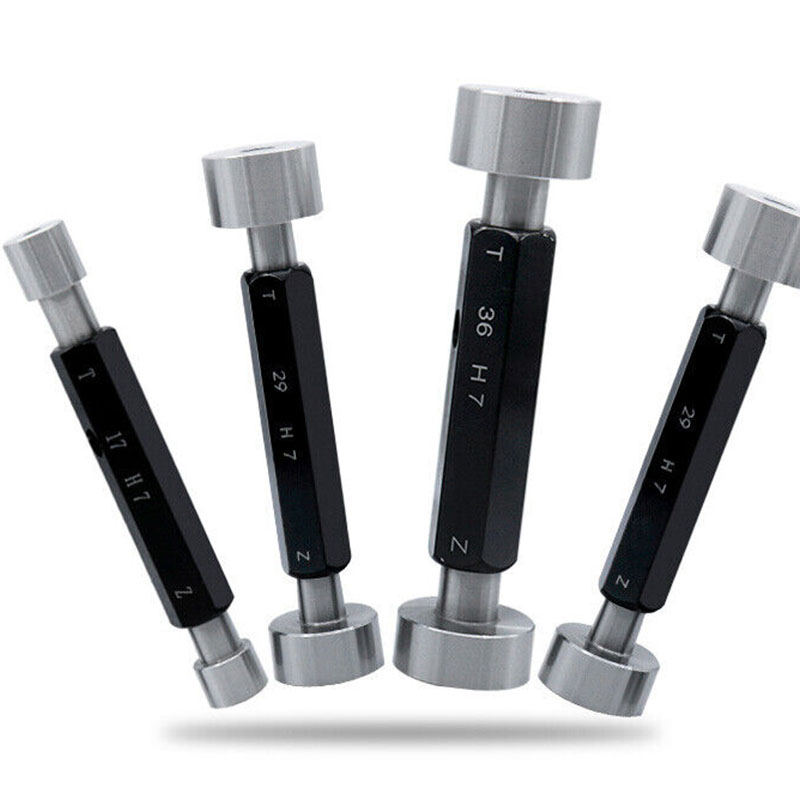
The Pin Gauge Measurement Method An Overview In the realm of precision measurement and quality control, pin gauge measurement methods have emerged as a vital tool for ensuring dimensional accuracy in manufacturing processes. Pin gauges, also known as pin gauges or plug gauges, are precise, cylindrical tools employed to measure the diameter of holes or the thickness of materials. This article focuses on the principles behind pin gauge measurement, its applications across various industries, and the advantages it presents. Understanding Pin Gauges Pin gauges come in various sizes and are manufactured with high precision to comply with specific tolerance requirements. Typically made from high-grade steel or carbide, these gauges are designed to check the size of holes, slots, or grooves in workpieces. The measurement is performed by either inserting the pin gauge into a hole or using it to check the distance between two surfaces. Pin gauges are available in two primary types fixed-size gauges, which are used for standard measurements, and go/no-go gauges, which help determine whether an object meets specified tolerances. The latter consists of two gauges a go gauge that should fit into the measured feature and a no-go gauge that should not fit. Application Industries The application of pin gauges spans a wide array of industries, including automotive, aerospace, and manufacturing. In the automotive sector, for example, pin gauges are used to ensure the precise fit of engine components, thereby enhancing performance and safety. Similarly, in the aerospace industry, where tolerances are critically defined, pin gauges help in maintaining the integrity of components subject to high-stress conditions. pin gauge measurement method Manufacturers also utilize pin gauges during production and quality control stages to verify that components are produced within predetermined specifications. This process ensures that products not only meet industry standards but are also safe and reliable, reducing the likelihood of defects that could result in costly recalls. Advantages of Pin Gauge Measurement The pin gauge measurement method offers numerous advantages. Firstly, the simplicity of use makes it an efficient tool for quick checks without the need for complex machinery. Operators can conveniently measure components manually, allowing for immediate feedback and adjustments during production. Additionally, due to their robust construction, pin gauges have a long life span and require minimal maintenance. The high degree of accuracy they provide helps in reducing errors associated with measurements. The presence of a clearly defined pass/fail criterion in go/no-go gauges further simplifies the inspection process, ensuring that only acceptable components move forward in the production line. Moreover, pin gauges are an economical choice for ensuring quality control. Compared to advanced measuring instruments, they represent a cost-effective solution that does not compromise on accuracy, making them accessible for businesses of all sizes. Conclusion In conclusion, the pin gauge measurement method is a fundamental practice within various industries, underlining the importance of precision in manufacturing and quality control processes. By providing reliable, accurate measurements, pin gauges contribute significantly to ensuring that components meet stringent specifications, ultimately enhancing product quality and safety. As industries continue to evolve, the role of pin gauges in measurement and quality assurance remains crucial, highlighting the need for ongoing investment in such reliable tools to foster innovation and maintain competitive edge.
about
led oval bathroom mirror
Understanding the Dial Bore Gauge An Essential Tool for Precision Measurement In the realm of mechanical engineering and manufacturing, precision is a core requirement. One tool that plays an indispensable role in ensuring accuracy in measurements is the dial bore gauge. This versatile instrument is particularly significant when it comes to measuring the internal diameter of cylindrical objects with high precision. A dial bore gauge typically consists of a measuring rod equipped with a dial indicator and a set of interchangeable tips that can be adjusted to measure various sizes. With a range of 50 to 160mm, this particular gauge is capable of measuring a wide variety of bore sizes, making it ideal for various applications in mechanical workshops and production facilities. Components and Functionality The primary component of a dial bore gauge is the dial indicator, which allows the user to read measurements with high clarity. The gauge also features a calibrated rod, which extends into the bore of the workpiece. The interchangeable tips, usually carbide-tipped, help the tool make contact with the internal surface, ensuring accurate readings. As the gauge is inserted into the bore, any deviation from the nominal size results in a corresponding movement of the dial indicator needle, providing real-time feedback on the bore diameter. To use a dial bore gauge effectively, it is essential to follow a systematic process. The tool needs to be set to the nominal diameter of the bore to be measured. Once positioned within the bore, it is important to rotate the gauge slightly and take multiple readings at different clock positions of the bore to account for any irregularities. This method not only verifies the diameter but also helps to identify any taper or out-of-round conditions in the workpiece. Applications in Industry dial bore gauge 50 160mm Dial bore gauges are widely utilized in various sectors, including automotive, aerospace, and manufacturing industries. Their precision makes them suitable for measuring the internal diameters of engine cylinders, hydraulic cylinders, and bearing holes. In these applications, even minor deviations in size can lead to significant performance issues or mechanical failures, underscoring the need for accurate measurements. The ability to detect imperfections, such as wear or damage within a bore, also enhances the maintenance of equipment. For instance, in automotive engine maintenance, ensuring that the bore specifications are met can prevent oil leaks and ensure proper sealing of components. Consequently, regular monitoring with a dial bore gauge can prolong the life of machinery and reduce the costs associated with repairs or overhauls. Advantages Over Other Measuring Methods Compared to other measuring instruments, such as calipers or micrometers, the dial bore gauge offers several advantages. Its design allows for measurements at the internal surfaces of bores that are often difficult to access with traditional tools. Additionally, the simplicity of reading the dial indicator facilitates quick assessments, enhancing productivity on the factory floor. Furthermore, the dial bore gauge's versatility is noteworthy. With the ability to measure a wide range of diameters by switching tips, it can serve multiple purposes in a workshop without the need for numerous specialized tools. Conclusion The dial bore gauge plays a crucial role in modern manufacturing and mechanical engineering. Its precision, versatility, and ease of use make it an essential tool for professionals who demand accurate measurements. By incorporating this tool into their measurement practices, engineers and machinists can ensure that their products meet the required specifications, ultimately contributing to improved performance, safety, and reliability in various applications. Whether you are in an automotive workshop or a high-tech manufacturing facility, investing in a quality dial bore gauge is a decision that pays dividends in precision and efficiency.
-

High quality industrial productsagement

High quality industrial products
View Details -

Meet the diverse needs of customers

Meet the diverse needs of customers
View Details -

Strict quality control

Strict quality control
View Details -

Top raw materials

Top raw materials
View Details -

Trusted supplier

Trusted supplier
View Details
Our application

news and information

valve water
Understanding Valve Water The Key to Efficient Water Management Water is one of the most vital resou
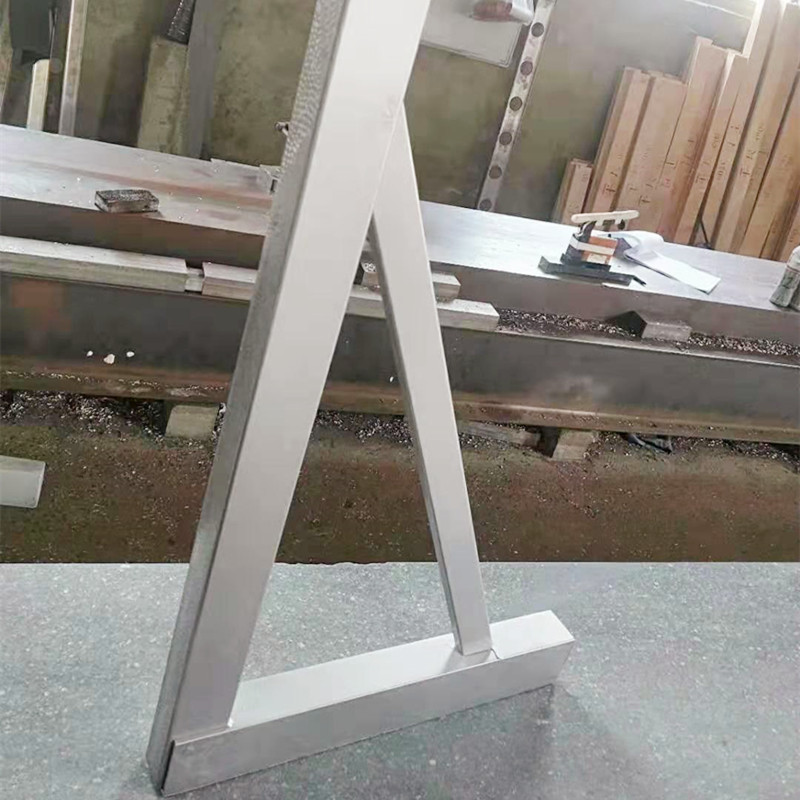
Versatile 3x4 Welding Table for Precision Projects and Durable Fabrication
3x4 welding table .
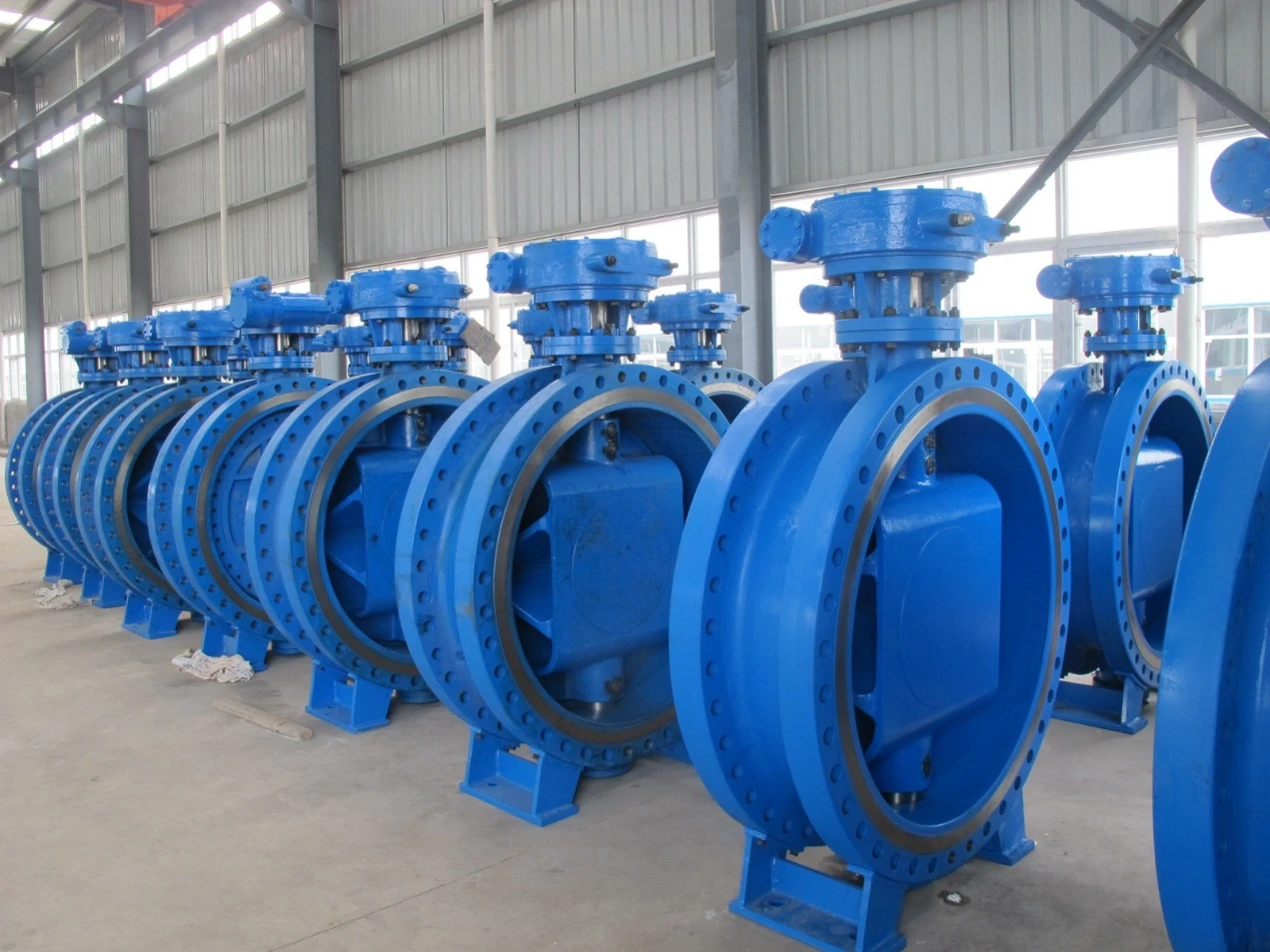
Valvola a farfalla da 50 mm per applicazioni industriali e sistemi di tubazioni
Valvola a Farfalla da 50 mm Un Elemento Chiave per il Controllo dei Fluidi La valvola a farfalla rap
 English